
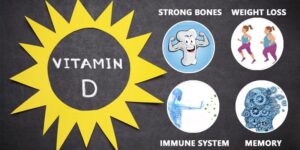
The Beatles once sang, “Here comes the sun / The smiles returning to their faces / It seems like years since it’s been here.” A sunny day just makes you feel good and now we know sun exposure is actually good for your health & your families’ health.
For many years, we have heard how bad the sun is for you and your family. We have heard you need to slather your body with massive sunscreens to make sure you don’t get skin cancer but…today a large body of science not related to corporate capture is saying 20 – 30 minutes of sun exposure is actually great for your overall health!
Sunlight exposure has been shown to improve:
- Sleep quality
- Energy levels
- Physical performance (namely muscle function)
- Stress and anxiety levels
- Cognitive function
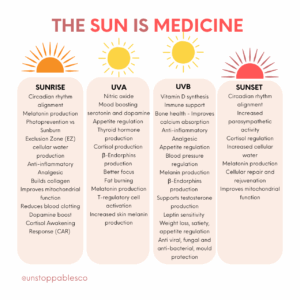
The amount of sunshine you need to stay healthy depends on several factors, but a general guideline for overall well-being is:
General Recommendation for Sunshine:
- 10–30 minutes of midday sun exposure (between 10 a.m. and 2 p.m.)
- 2–4 times per week
- On face, arms, hands, or legs without sunscreen
This helps your body make vitamin D, the Sunshine Vitamin.
Research has suggested adequate vitamin D may help prevent or treat these following health issues:
- Bone health and muscle strength.
- Helps to treat osteoporosis.
- May help to prevent depression.
- May help prevent some types of cancers.
- Help treat heart disease and type 2 diabetes.
- Help create a strong immune system.
- May help prevent premature deaths.
- May help with cognitive decline like dementia.
Factors That Affect How Much Sunshine You Need:
Factor | Impact |
Skin tone | Darker skin needs more sun to produce the same vitamin D. |
Location/season | If you live farther from the equator or in winter, you get less UVB. |
Age | Older adults produce less vitamin D from the sun. |
Use of sunscreen or clothing | Blocks UVB and reduces vitamin D production. |
Air pollution/cloud cover | Reduces sunlight intensity. |
Important Health Note:
Too much sun increases the risk of skin cancer and skin aging. So, after about 30 minutes (or even less if you burn easily), it’s a good idea to:
- Move into shade
- Wear protective clothing or
- Apply broad-spectrum sunscreen SPF 30+
Sunlight and Vitamin D
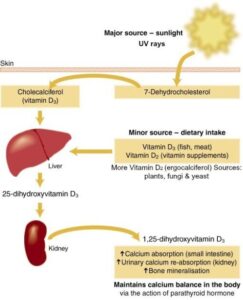
Sunlight is the main way that your body gets its vitamin D — so much so that it’s sometimes called the “sunshine vitamin!”
More than 90% of our vitamin D comes from sunlight exposure because our skin absorbs ultraviolet-B rays, which triggers the conversion of a cholesterol molecule in the skin into vitamin D3, the active form of vitamin D.
The following are conditions that decrease exposure to UVB light and therefore lessen vitamin D absorption:
- Use of sunscreen: sunscreen can reduce vitamin D absorption by more than 90%.
- Wearing full clothing that covers the skin.
- Spending limited time outdoors.
- Darker skin tones due to having higher amounts of the pigment melanin, which acts as a type of natural sunscreen.
- Older ages when there is a decrease in 7-dehydrocholesterol levels and changes in skin, and a population that is likely to spend more time indoors.
- Certain seasons and living in northern latitudes above the equator where UVB light is weaker. The body stores vitamin D from summer sun exposure, but it must last for many months. By late winter, many people in these higher-latitude locales are deficient.
Vitamin D – the Sunshine Vitamin
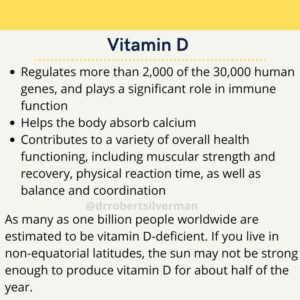
Vitamin D is unique in that it is both a nutrient we eat and a hormone our bodies make. Research has suggested adequate vitamin D may help with bone health and muscle strength, help to prevent depression, prevent some types of cancers, treat heart disease and type 2 diabetes and help create a strong immune system.
Studies have shown in the US alone, 42% of adults are deficient in vitamin D, while 50% of children aged between one and five and 70% of children aged between six and 11 have low vitamin D stores. The statistics are even higher for people with dark skin. Nearly 63% of Hispanic adults and 82% of African American adults are vitamin D deficient.
Vitamin D3 can be formed when a chemical reaction occurs in human skin, when a steroid called 7-dehydrocholesterol is broken down by the sun’s UVB light or so-called “tanning” rays. The amount of the vitamin absorbed can vary widely.
Food Sources of Vitamin D
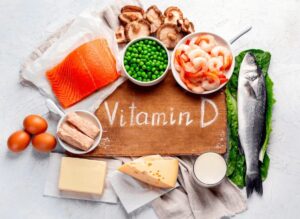
Few foods are naturally rich in vitamin D3. The best sources are the flesh of fatty fish and fish liver oils. Smaller amounts are found in egg yolks, cheese, and beef liver. Certain mushrooms contain some vitamin D2; in addition, some commercially sold mushrooms contain higher amounts of D2 due to intentionally being exposed to high amounts of ultraviolet light. Many foods and supplements are fortified with vitamin D like dairy products and cereals.
- Cod liver oil
- Salmon
- Swordfish
- Tuna fish
- Orange juice fortified with vitamin D
- Dairy and plant milks fortified with vitamin D
- Sardines
- Beef liver
- Egg yolk
- Fortified cereals
Note: Almost all of the U.S. milk supply is fortified with about 3 mcg (120 IU) vitamin D per cup. Many plant-based alternatives such as soy milk, almond milk, and oat milk are similarly fortified.
https://daybydayliving.net/?p=2426
https://www.verywellhealth.com/sun-exposure-and-vitamin-d-11752637
https://wltreport.com/2025/06/25/key-aging-gracefully-sunlight-provides-vitamin-d-boosts/
https://health.clevelandclinic.org/how-much-sunshine-you-need-daily
https://www.webmd.com/a-to-z-guides/ss/slideshow-sunlight-health-effects
https://naturalnews.com/2025-06-01-sunlight-key-to-preventing-chronic-disease.html
Barbara Day, M.S., R.D. is a registered dietitian with a Master’s Degree in clinical nutrition. She is the Chief Blog Organizer for www.DayByDayLiving.net
Barbara worked as a research nutritionist with the military’s tri-service medical school & worked as a performance nutrition consultant to Navy SEALS’ BUD/S Training Program and West Coast Navy SEAL Teams. Barbara is the former nutrition performance consultant to the University of Louisville Athletic Department. She is the author of Fast Facts on Fast Food For Fast People and High Energy Eating Sports Nutrition Workbook for Active People used by the University of Louisville, University of Tennessee Lady Vols and the Tennessee football program, the LSU basketball program, the Buffalo Bills, the Cleveland Browns and by the United States Navy SEALs.
Barbara is the former publisher of Kentuckiana HealthFitness Magazine, Kentuckiana Healthy Woman magazine and radio show host of Health News You Can Use. Barbara has over 60 years of experience in promoting healthy lifestyles to consumers. Barbara is a former runner who walks, a spinner, hiker, a pickleball player, a mother and grandmother to 13 grandchildren.
Barbara also serves on the Leadership Team for Moms for America as the Grammy Grizzlies National Group Leader. (www.momsforamerica.us).