
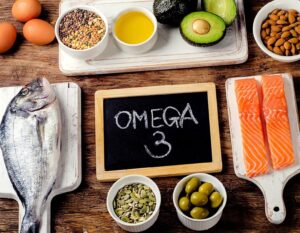
Omega-3 fatty acids are essential fats that your body cannot produce on its own, so they must be obtained through diet or supplements. They are crucial for many bodily functions and have well-established health benefits. Typical American diets often have too many omega-6 fats (pro-inflammatory) and not enough omega-3s. A better omega-6 to omega-3 ratio may reduce chronic disease risk by fighting inflammation.
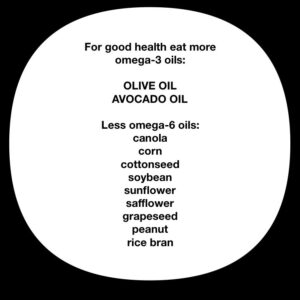
Image from: https://www.healthyforlifemeals.com/blog/what-are-omega-3-fatty-acids
There are three main types of omega-3s:
- Eicosapentaenoic acid (EPA): found in fish
- Docosahexaenoic acid (DHA): also in fish
- Alpha-linolenic acid (ALA): in plant foods
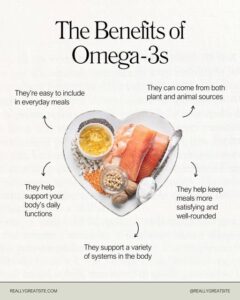
17 Science-Based Benefits of Omega-3 Fatty Acids
- Anxiety and depression
- Eye health
- During pregnancy
- Heart disease
- ADHD
- Metabolic syndrome
- Inflammation
- Autoimmune diseases
- Mental disorders
- Age-related mental decline
- Cancer
- Asthma
- Liver
- Bone and joint health
- Menstrual pain
- Sleep
- Skin health
https://www.healthline.com/nutrition/17-health-benefits-of-omega-3#takeaway
https://www.verywellhealth.com/benefits-of-omega-3-11772277
https://www.health.com/omega-3-fatty-acids-benefits-7510411
Best Animal-Based Sources (High in EPA & DHA)
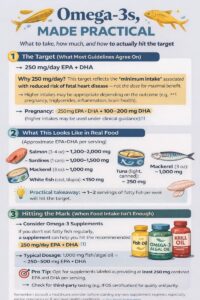
These contain the most bioavailable forms of omega-3s — EPA and DHA.
Fatty Fish (Best Options):
- Salmon (especially wild-caught)
- Sardines
- Mackerel
- Herring
- Anchovies
- Trout
- Tuna (especially albacore — but watch for mercury)
For good health: Aim for 2 servings/week of fatty fish for heart and brain benefits.
Best Plant-Based Sources (High in ALA)
ALA can partially convert to EPA and DHA in your body but the bad news is ALA does not convert to EPA and DHA very efficiently.
Seeds:
- Chia seeds
- Flaxseeds (ground for better absorption)
- Hemp seeds
Nuts:
- Walnuts
Oils:
- Flaxseed oil
- Canola oil
- Soybean oil
- Walnut oil
Other:
- Edamame
- Seaweed and algae (some types contain DHA)
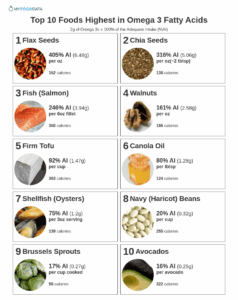
https://www.myfooddata.com/articles/high-omega-3-foods.php
Supplements (Optional but Useful)
If your diet lacks omega-3s or you have specific health goals you can add omega-3 supplements like:
- Fish oil capsules – Standard choice
- Krill oil – Smaller dose, better absorption
- Algal oil – Best vegan source of DHA + some EPA
Should You Take Omega-3 Supplements?
Talk to your doctor first before you take any supplements. They may have specific recommendations or warnings, depending on your health and other medicines you take.
The FDA doesn’t regulate supplements for effectiveness, and research shows fish oil supplements don’t help lower your chances or heart disease. But that doesn’t mean they might not help relieve symptoms of other conditions.
Omega-3 Side Effects
The most common side effects from fish oil are indigestion and gas.
Other side effects include:
- Bad breath
- Bad-smelling sweat
- Headache
- Heartburn, nausea, and diarrhea
- Unpleasant taste in your mouth
https://www.webmd.com/healthy-aging/omega-3-fatty-acids-fact-sheet
What to Look for in a Good Omega-3 Supplement*
When choosing a supplement, these are the key factors:
Factor | Why It Matters |
EPA + DHA content | These are the active long-chain omega‑3s with evidence for heart, brain, eye, and anti‑inflammatory benefits. If you take ALA (from plants), your body converts only a small amount to EPA/DHA. Healthline+2WebMD+2 |
Purity & testing | Look for third‑party verification (e.g. IFOS, USP, NSF, Friend of the Sea). Ensures low heavy metals, less oxidation (which degrades quality). Livestrong+3CBSSports.com+3Vogue+3 |
Source (fish, algae, krill, etc.) | If you eat fish, fish‑oil can be fine; for vegans or vegetarians, algae oil gives EPA/DHA without relying on fish. Krill oil may have additional benefits (like easier absorption or added antioxidants like astaxanthin). ArcticMed+3FloraHealthshop+3Healthline+3 |
Form of oil | Triglyceride form or “re‑esterified triglyceride” tends to be better absorbed than some ethyl ester forms. Also, how it’s encapsulated/packaged (to reduce oxidation) matters. Vogue+1 |
Typical Dosages of Omega-3 Supplements:
- For general health: many guidelines suggest about 200‑600 mg/day of combined EPA + DHA. Healthline+1
- For specific conditions (e.g. elevated triglycerides) higher doses (2‑4 g/day) may be used, under medical supervision. WebMD+1
- If you’re pregnant or breastfeeding, there are recommendations for DHA (often around 200‑300 mg/day minimum). WebMD
Highly Regarded Omega‑3 Supplements
Here are some supplements that tend to be recommended frequently in reviews for quality, potency, and safety. I’m not endorsing a particular brand, just summarizing what experts like. Always check the latest info.
Product | What People Like About It / Highlights |
Nordic Naturals Ultimate Omega | High EPA/DHA per serving, good quality/purity, sustainable sourcing. Health+3CBSSports.com+3Healthline+3 |
Carlson Very Finest Fish Oil (liquid) | Wild‑caught fish, liquid form (good alternative for people who dislike big capsules), flavored to reduce aftertaste. EatingWell |
Nature Made Algae Omega‑3 Softgels | Vegan source, provides EPA & DHA, good option if you don’t eat fish. Nature Made® |
Flora Omega Capsules (Vegan Algae) | Good for EPA + DHA, vegan, solid formulation. FloraHealthshop |
Puritan’s Pride Triple Omega 3‑6‑9 | A budget‑friendly option, though 3‑6‑9 formulas may have more ALA and other omega types, so check the EPA/DHA amounts. Livestrong |
*Source: ChatDPT.

is a registered dietitian with a Master’s Degree in clinical nutrition. She is the Chief Blog Organizer for www.DayByDayLiving.net
Barbara worked as a research nutritionist with the military’s tri-service medical school & worked as a performance nutrition consultant to Navy SEALS’ BUD/S Training Program and West Coast Navy SEAL Teams. Barbara is the former nutrition performance consultant to the University of Louisville Athletic Department. She is the author of Fast Facts on Fast Food For Fast People and High Energy Eating Sports Nutrition Workbook for Active People used by the University of Louisville, University of Tennessee Lady Vols and the Tennessee football program, the LSU basketball program, the Buffalo Bills, the Cleveland Browns and by the United States Navy SEALs.
Barbara is the former publisher of Kentuckiana HealthFitness Magazine, Kentuckiana Healthy Woman magazine and radio show host of Health News You Can Use. Barbara has over 60 years of experience in promoting healthy lifestyles to consumers. Barbara is a former runner who walks, a spinner, hiker, a pickleball player, a mother and grandmother to 13 grandchildren.
Barbara also serves on the Leadership Team for Moms for America as the Grammy Grizzlies National Group Leader. (www.momsforamerica.us).