
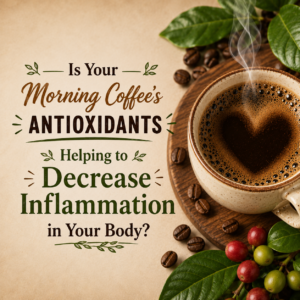
Full disclosure, I drink coffee every day. Ok, I am hooked on the caffeine but my coffee may do more than provide energy from the caffeine—it may also help support a healthier gut microbiome when consumed appropriately and increase antioxidants as well. Yippee for me!
Here’s the Key Takeaways
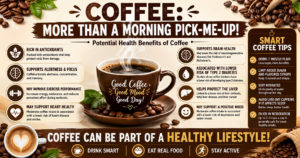
Coffee contains beneficial polyphenols
- Coffee is rich in antioxidants and plant compounds called polyphenols.
- These compounds can act like prebiotics, helping feed beneficial gut bacteria.
Coffee may increase beneficial gut microbes
- Research has found that regular coffee drinkers tend to have higher levels of certain beneficial gut bacteria, including Lawsonibacter asaccharolyticus, a microbe associated with coffee consumption and potentially linked to positive health effects.
Coffee can stimulate digestion
- Coffee helps stimulate intestinal contractions and may improve bowel regularity for many people.
- This effect occurs with both regular and decaffeinated coffee, suggesting compounds beyond caffeine contribute to digestive benefits.
Potential anti-inflammatory benefits
- Coffee’s polyphenols and antioxidants may help reduce oxidative stress and inflammation, which can support overall gut and metabolic health.
But not everyone benefits equally
- People with acid reflux, gastritis, IBS, or caffeine sensitivity may find that coffee worsens symptoms such as heartburn, bloating, diarrhea, or stomach discomfort.
COFFEE & GUT HEALTH
Your Morning Coffee May Do More Than Wake You Up!
- Supports Beneficial Gut Bacteria
- Provides Prebiotic-Like Polyphenols
- May Promote Regular Bowel Movements
- Rich in Antioxidants
- May Help Reduce Inflammation
- Supports Overall Digestive Health
Smart Coffee Tips
 Drink it with minimal added sugar Choose high-quality coffee beans Pair with fiber-rich foods Include fermented foods like sauerkraut, kefir, and yogurt
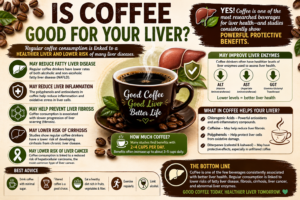
Coffee Antioxidants Can Help Keep You Healthy
Coffee is one of the largest sources of antioxidants in the American diet. Many people actually get more antioxidants from coffee than from fruits and vegetables simply because they drink it daily.
Major Antioxidants Found in Coffee
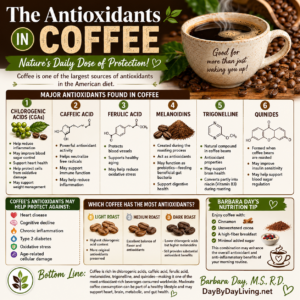
- Chlorogenic Acids (CGAs)
The most abundant antioxidants in coffee.
Benefits:
- Help reduce inflammation
- May improve blood sugar control
- Support heart health
- Help protect cells from oxidative damage
- May support weight management
- Caffeic Acid
Despite its name, it is not caffeine.
Benefits:
- Powerful antioxidant activity
- Helps neutralize free radicals
- May support immune function
- May help reduce inflammation
- Ferulic Acid
A plant-based antioxidant also found in whole grains.
Benefits:
- Protects blood vessels
- Supports healthy aging
- May help reduce oxidative stress
- Melanoidins
Created during the roasting process.
Benefits:
- Act as antioxidants
- May function as prebiotics by feeding beneficial gut bacteria
- Support digestive health
- Trigonelline
A natural compound found in coffee beans.
Benefits:
- Antioxidant properties
- May support brain health
- Converts partly into niacin (Vitamin B3) during roasting
- Quinides
Formed when coffee beans are roasted.
Benefits:
- May improve insulin sensitivity
- May help support blood sugar regulation
Coffee’s Antioxidants May Help Protect Against:
- Heart disease
- Cognitive decline
- Chronic inflammation
- Type 2 diabetes
- Oxidative stress
- Age-related cellular damage
Which Coffee Has the Most Antioxidants?
Light Roast
- Highest chlorogenic acid content
- More original antioxidants preserved
Medium Roast
- Excellent balance of flavor and antioxidants
Dark Roast
- Lower chlorogenic acids but higher melanoidins
- Still provides substantial antioxidant benefits
The Bottom Line
Moderate coffee consumption may help support a healthier gut microbiome and digestive system.
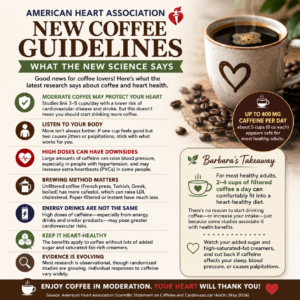
The American Heart Association has come out with new guidelines.
For most healthy adults who enjoy coffee, 2–4 cups of filtered coffee a day can comfortably fit into a heart-healthy diet. There’s no reason to start drinking coffee—or increase your intake—just because some studies associate it with health benefits. Keep an eye on added sugar and high-saturated-fat creamers, and consider cutting back if caffeine interferes with sleep, raises your blood pressure, or causes uncomfortable palpitations.
https://www.theepochtimes.com/us/american-heart-association-issues-new-coffee-guidelines-6064534
Note: I used ChatGPT for the graphics and pulling this blog together for this topic, but I also check the information carefully to ensure the health information is correct. In order to get the right answers & the development of these health blogs when using ChatGPT effectively, you must know how to pose the correct questions.
This content was generated with assistance from ChatGPT, an AI language model by OpenAI
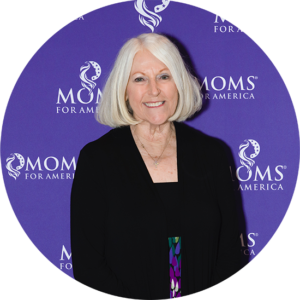
Barbara Day, M.S., R.D. is a registered dietitian with a Master’s Degree in clinical nutrition. She is the Chief Blog Organizer for www.DayByDayLiving.net
Barbara worked as a research nutritionist with the military’s tri-service medical school collaborating with Department of Defense, National Health Institutes (NIH), and also United States Department of Agriculture (USDA). Barbara worked as a performance nutrition consultant to Navy SEALS’ BUD/S Training Program and West Coast Navy SEAL Teams. Barbara is the former nutrition performance consultant to the University of Louisville Athletic Department.
She is the author of Fast Facts on Fast Food for Fast People and High Energy Eating Sports Nutrition Workbook for Active People used by the University of Louisville, University of Tennessee Lady Vols and the Tennessee football program, the LSU basketball program, the Buffalo Bills, the Cleveland Browns and by the United States Navy SEALs.
Barbara is the former publisher of Kentuckiana HealthFitness Magazine, Kentuckiana Healthy Woman magazine and radio show host of Health News You Can Use and a TV segment on the Local ABC station called Barbara’s Right Bite.
Barbara has over 50 years of experience in promoting healthy lifestyles to consumers. Barbara is a former runner who walks, a spinner, hiker, a pickleball player, a mother and grandmother to 13 grandchildren.
Barbara also serves on the Leadership Team for Moms for America as the Grammy Grizzlies National Group Leader. (www.momsforamerica.us).