
PUMPKIN IS NOT JUST FOR HALLOWEEN CARVING!
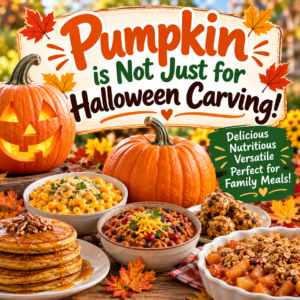
Every fall, families head to the pumpkin patch, choose the perfect pumpkins, carve funny or spooky faces, and light them up for Halloween. But before we think of pumpkins only as decorations, remember this:
Pumpkin is food—and a very nutritious food!
That beautiful orange color is a clue that pumpkin contains valuable nutrients and plant compounds. From soups and chili to pancakes, muffins, energy bites and desserts, pumpkin can be an inexpensive and delicious addition to family meals.
PUMPKIN: MORE THAN A PRETTY JACK-O’-LANTERN
Pumpkin is a winter squash and belongs to the same plant family as butternut squash, cucumbers and melons.
While the giant pumpkins we carve at Halloween are edible, the smaller varieties usually labeled sugar pumpkins or pie pumpkins are generally better for cooking. Their flesh tends to be sweeter, smoother and less watery.
And don’t throw away those pumpkin seeds! Clean and roast them for another nutritious fall snack.
WHAT’S INSIDE PUMPKIN?
One cup of cooked, mashed pumpkin without added salt provides approximately:
- 49 calories
- 12 grams carbohydrate
- 2.7 grams fiber
- 1.8 grams protein
- 0.2 grams fat
- 564 mg potassium
- 11.5 mg vitamin C
- A particularly large amount of beta-carotene, which the body can convert to vitamin A
Pumpkin also provides smaller amounts of vitamin E, several B vitamins, iron, magnesium and other nutrients.
Because pumpkin is naturally low in calories while providing fiber and nutrients, it can add both nutrition and volume to family meals.
WHY IS PUMPKIN ORANGE?
That gorgeous orange color comes largely from carotenoids, especially beta-carotene.
Our bodies can convert beta-carotene into vitamin A, an essential nutrient involved in normal vision, immune function, growth and the maintenance of healthy tissues.
Carotenoids also act as antioxidants, helping protect cells from oxidative damage.
That’s another good reminder to EAT THE RAINBOW! The natural colors in fruits and vegetables often represent different beneficial plant compounds.
6 HEALTH BENEFITS OF PUMPKIN
- Supports healthy vision
Pumpkin’s beta-carotene helps the body obtain vitamin A, which is essential for normal vision. Pumpkin also contains other carotenoids, including lutein and zeaxanthin.
- Supports immune function
Vitamin A plays an important role in immune defenses, while pumpkin also contributes vitamin C and other nutrients.
- Provides dietary fiber
Pumpkin’s fiber contributes to digestive health and can help make meals more satisfying.
- Provides potassium
Potassium is important for normal nerve and muscle function and plays a role in healthy blood-pressure regulation.
- Packs nutrition into relatively few calories
Plain pumpkin provides vitamins, minerals and carotenoids without a lot of calories or fat. Of course, what we add to pumpkin—sugar, butter, cream and other ingredients—can dramatically change the final nutritional profile.
- Makes healthy foods more appealing
Pumpkin can add natural color, moisture, mild sweetness and creaminess to recipes. It works in everything from oatmeal and pancakes to soups, chili, pasta sauces and baked foods.
CANNED OR FRESH PUMPKIN?
Both can be excellent choices.
For convenience, look for canned products labeled 100% Pure Pumpkin or Pumpkin Purée.
Don’t confuse it with pumpkin pie filling, which generally contains added sugar and spices.
You can also make your own pumpkin purée. Choose a small sugar or pie pumpkin, cut it in half, remove the seeds and roast it until tender. Scoop out the flesh and purée until smooth.
Homemade pumpkin purée can then be used just like canned pumpkin in many recipes.
DON’T FORGET THE PUMPKIN SEEDS!
When preparing a fresh pumpkin, save those seeds!
Pumpkin seeds provide protein, unsaturated fats, magnesium, zinc, iron and other nutrients. Toss cleaned and dried seeds with a little olive oil and your favorite seasonings and roast until crisp.
Instead of throwing the seeds away after carving a pumpkin, turn them into a family snack.
TURN PUMPKIN INTO A HEALTHY FAMILY TRADITION
Pumpkin season provides a wonderful opportunity to get children into the kitchen.
Take the family to choose pumpkins. Let the children scoop out the seeds. Roast the seeds together. Show them how pumpkin becomes purée. Then let everyone help prepare a pumpkin recipe.
Children learn about food by seeing it, touching it, preparing it and tasting it.
A Halloween pumpkin can become much more than a decoration. It can become a lesson about where food comes from, reducing food waste, cooking together and making nutritious foods fun.
TRY THESE 5 FAMILY-FRIENDLY PUMPKIN RECIPES
I’m including five easy pumpkin recipes that show just how versatile this fall favorite can be:
🎃 Pumpkin-Oatmeal Pancakes — A warm, nutritious way to start a fall morning.
🎃 Creamy Pumpkin Mac & Cheese — Pumpkin adds color, creaminess and nutrition to a familiar family favorite.
🎃 Pumpkin Turkey Chili — A hearty combination of lean turkey, beans, vegetables and pumpkin.
🎃 Pumpkin Energy Bites — An easy no-bake snack made with oats, pumpkin, peanut butter and flaxseed.
🎃 Baked Pumpkin-Apple Crisp — Apples and pumpkin come together for a warm fall dessert with an oat-and-nut topping.
And don’t forget my recipe for Homemade Pumpkin Purée so you can take a pumpkin from the farm or grocery store all the way to the family dinner table.
FROM JACK-O’-LANTERN TO DINNER TABLE
This fall, don’t think of pumpkin as something that belongs only on the front porch.
Carve it. Roast it. Purée it. Cook with it. Save the seeds. And most importantly—get the kids involved!
Healthy eating doesn’t have to begin with lectures about nutrition. Sometimes it begins with a trip to the pumpkin patch, a messy kitchen table, little hands scooping out pumpkin seeds—and a family discovering that real food can be fun.
EAT MORE OF THE BEST AND LESS OF THE REST!
Medical Disclaimer: This information is for education only and is not medical advice. Always talk with your healthcare provider about what is best for your health.
Note: I used ChatGPT for the graphics and pulling this blog together for this topic, but I also check the information carefully to ensure the health information is correct. In order to get the right answers & the development of these health blogs when using ChatGPT effectively, you must know how to pose the correct questions.
This content was generated with assistance from ChatGPT, an AI language model by OpenAI