
What Every Parent, Grandparent, and Adult Should Know About High-Potency THC, Addiction, and the Health Risks of Modern Marijuana.
Today’s marijuana is NOT the marijuana Americans remember from the 1960s and 1970s! Some modern cannabis products contain 60–90% THC, raising serious concerns about addiction, developing brains, mental health, heart health, and impaired driving.
As more states legalize recreational marijuana, are lawmakers doing enough to protect our children and teenagers?
LEGAL DOES NOT MEAN SAFE!
Our children’s health should come before marijuana tax revenue!
For many Americans, marijuana still carries the reputation of being a relatively harmless drug from the 1960s, 1970s, and 1980s. But today’s marijuana is dramatically different.
Modern cannabis products often contain much higher concentrations of THC, the chemical responsible for marijuana’s intoxicating effects. At the same time, more states have legalized recreational marijuana, making cannabis products increasingly accessible.
But an important question remains: Does legal marijuana mean safe marijuana?
The answer is no. Legalization does not eliminate the potential health risks, particularly for adolescents, pregnant women, older adults, and people who use high-potency marijuana frequently.
WHY TODAY’S MARIJUANA IS NOT YOUR GRANDPARENTS’ MARIJUANA
Today’s marijuana can be dramatically stronger than the marijuana commonly used during the 1960s, 1970s, and 1980s. The biggest difference is the concentration of THC (tetrahydrocannabinol), the chemical responsible for marijuana’s intoxicating effects.
Decades ago, marijuana commonly contained approximately 1–4% THC. Today, some marijuana flower contains 15–30% THC, while highly concentrated cannabis products—including oils, waxes, shatter, and certain vaping extracts—may contain 60–90% THC.
That means some modern marijuana flower can contain several times the THC concentration of marijuana used by previous generations. Concentrates can be considerably stronger still.
Why Has Marijuana Become So Much Stronger?
Several developments have contributed to increasing THC potency:
- Selective breeding: Growers have developed cannabis plants specifically to produce higher THC concentrations.
- Advanced cultivation: Controlled lighting, temperature, nutrients, and indoor growing techniques help producers cultivate potent cannabis.
- Concentrated products: Modern extraction methods can produce cannabis oils, waxes, and other products containing extremely high THC concentrations.
- Consumer demand: The commercial marijuana industry offers high-potency products to consumers seeking stronger intoxicating effects.
Why Does Higher THC Matter?
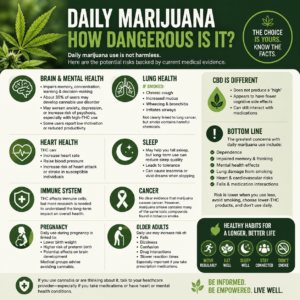
Higher THC exposure can increase the likelihood of adverse effects, including:
- Anxiety, panic attacks, and paranoia.
- Impaired memory, concentration, and judgment.
- Slower reaction times and impaired driving.
- Cannabis dependence and Cannabis Use Disorder.
- Psychotic symptoms, particularly among susceptible individuals.
- Severe intoxication requiring emergency medical attention.
The risks are especially concerning for adolescents, whose brains are still developing, and individuals who use high-potency marijuana frequently.
An important distinction: THC concentration is not the only factor determining risk. The amount consumed, frequency of use, method of consumption, and individual susceptibility also matter.
The Bottom Line
Today’s marijuana is not necessarily the marijuana your grandparents remember.
Modern cannabis products can deliver substantially higher THC exposure than products commonly available decades ago.
As more states legalize recreational marijuana, Americans need to understand that legal marijuana is not necessarily safe marijuana—especially when products contain extremely high concentrations of THC.
Understanding these differences is essential for parents, grandparents, young adults, and anyone considering marijuana use.
- TODAY’S MARIJUANA IS MUCH STRONGER
In the 1970s and early 1980s, marijuana commonly contained relatively low THC concentrations, often around 1–4%.
According to federal drug-monitoring data, average THC potency in tested marijuana plant material increased from approximately 3% in 1982 to 16% in 2022.
Today, some products contain:
- Marijuana flower: Approximately 15–30% THC, although potency varies considerably.
- Cannabis concentrates: Often 60–90% THC, depending on the product.
- Edibles: THC doses vary widely, and their effects can be delayed, increasing the risk of accidentally consuming too much.
Higher THC concentrations can produce stronger intoxication, greater impairment, and more severe adverse reactions.
- WHICH STATES HAVE LEGALIZED RECREATIONAL MARIJUANA?
As of November 2026, 24 states and Washington, D.C., permit recreational marijuana use by adults, subject to state-specific restrictions.
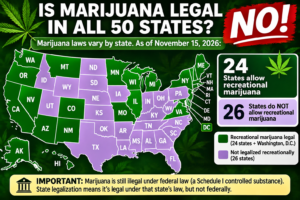
States allowing adult recreational marijuana
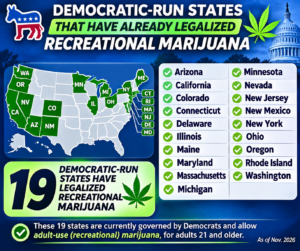
- Alaska
- Arizona
- California
- Colorado
- Connecticut
- Delaware
- Illinois
- Maine
- Maryland
- Massachusetts
- Michigan
- Minnesota
- Missouri
- Montana
- Nevada
- New Jersey
- New Mexico
- New York
- Ohio
- Oregon
- Rhode Island
- Vermont
- Virginia
- Washington
Washington, D.C., also permits adult recreational possession and use under local law, although commercial sales remain restricted.
Importantly, Virginia permits adult possession and limited home cultivation but does not have a general legal recreational retail market.
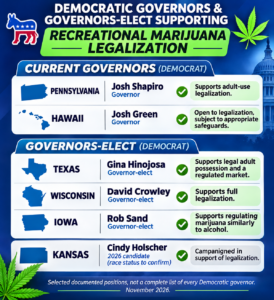
AGE RESTRICTIONS: YOU MUST BE 21 TO BUY RECREATIONAL MARIJUANA
In states that have legalized recreational marijuana, the minimum legal purchasing age is 21.
Licensed marijuana retailers are required to verify customers’ ages. Medical marijuana programs may have different age requirements for qualifying patients.
WHY DO DEMOCRATS SUPPORT LEGALIZING MARIJUANA?
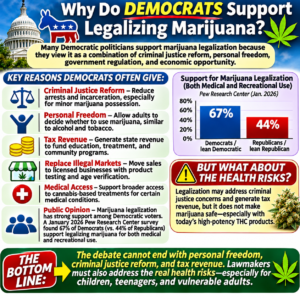
As more states legalize recreational marijuana, an important political and public-health question deserves attention: Why do so many Democratic politicians support marijuana legalization, especially when today’s cannabis products can contain much higher concentrations of THC than marijuana used decades ago?
Democratic supporters of legalization generally point to six major reasons:
- Criminal Justice Reform: Many Democrats argue that people should not face incarceration or lifelong criminal records for possessing small amounts of marijuana. They also point to racial disparities in marijuana-related arrests.
- Personal Freedom: Supporters believe adults should have the right to decide whether to use marijuana, much as they can legally purchase alcohol and tobacco.
- Tax Revenue: Legal marijuana sales generate tax revenue that states can direct toward education, substance-use treatment, community programs, and other government services.
- Replacing Illegal Marijuana Markets: Supporters argue that licensed businesses can provide product testing, labeling, age verification, and government oversight that illegal sellers do not.
- Medical Access: Some Democrats favor expanding access to cannabis-based treatments for certain medical conditions. However, evidence supporting specific medical uses does not establish that recreational marijuana is safe.
- Public Opinion: Marijuana legalization has substantial support among Democratic voters. A January 2026 Pew Research Center survey reported that approximately 67% of Democrats and Democratic-leaning independents supported legalizing marijuana for both medical and recreational use, compared with approximately 44% of Republicans and Republican-leaning independents.
Support for legalization is not exclusively Democratic. Some Republicans and independents also support adult recreational use, while some Democrats oppose it.
BUT WHAT ABOUT THE HEALTH RISKS?
As a Registered Dietitian who has spent more than five decades educating Americans about nutrition, prevention, and healthy lifestyles, I believe public health must be part of every marijuana legalization debate, regardless of political party.
Today’s high-potency marijuana raises serious questions about Cannabis Use Disorder, adolescent brain development, impaired driving, mental health, and possible cardiovascular risks.
Legalization may address criminal justice concerns and generate tax revenue, but neither outcome makes marijuana harmless.
SIX QUESTIONS DEMOCRATS AND REPUBLICANS SHOULD ANSWER
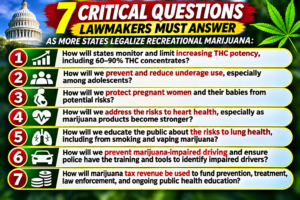
Before expanding recreational marijuana legalization, elected officials should explain:
- Protecting Children: If Americans under 21 can still obtain alcohol, cigarettes, and vaping products despite age restrictions, how will states prevent teenagers from obtaining high-potency marijuana?
- THC Potency: Should states limit the THC concentrations permitted in recreational marijuana products, particularly concentrates containing 60–90% THC?
- Addiction Prevention: How much marijuana tax revenue will be dedicated to preventing and treating Cannabis Use Disorder?
- Impaired Driving: How will states protect motorists and pedestrians from marijuana-impaired drivers?
- Healthcare Consequences: Are states measuring cannabis-related emergency department visits, accidental childhood exposures, severe vomiting episodes, and other potential health consequences?
- Taxpayer Accountability: Will states publicly compare marijuana tax revenue with the costs of regulation, enforcement, prevention, and treatment?
THE BOTTOM LINE: LEGALIZATION IS NOT PROOF OF SAFETY
Democrats who support legalization generally argue that regulating adult marijuana use is preferable to criminal prohibition. But the debate cannot end with personal freedom, criminal justice reform, and tax revenue.
Public officials from both political parties have a responsibility to consider the potential health consequences of increasingly potent cannabis products.
My question to every elected official supporting recreational marijuana legalization is this:
If you believe marijuana should be legal for adults, what specific safeguards will you put in place to protect America’s children, teenagers, and vulnerable adults from the risks of today’s high-potency THC products?
Americans deserve evidence-based answers, measurable public-health outcomes, and accountability—not simply promises of new tax revenue.
This addition keeps your concerns about Democratic support for legalization prominent while acknowledging the reasons supporters give and holding both parties accountable for public-health protections.
BUT HERE IS A MAJOR CONCERN FOR PARENTS AND GRANDPARENTS:
America already has age restrictions on alcohol, cigarettes, and nicotine vaping products. Yet millions of young Americans under age 21 still obtain and use these substances.
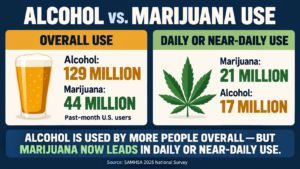
According to the 2025 National Survey on Drug Use and Health:
- Approximately 4.8 million Americans ages 12–20 used nicotine products during the previous month.
- Approximately 4.2 million ages 12–20 vaped nicotine during the previous month.
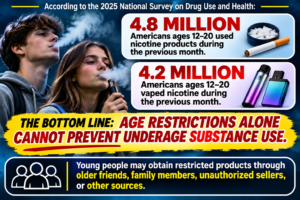
These figures demonstrate that age restrictions alone cannot prevent underage substance use.
Young people may obtain restricted products through older friends, family members, unauthorized sellers, or other sources.
THE BIG QUESTION: WILL MARIJUANA BE ANY DIFFERENT?
As recreational marijuana becomes more widely available, parents, grandparents, educators, and policymakers should ask:
- How effectively are marijuana retailers verifying customers’ ages?
- How are states preventing adults from supplying marijuana to minors?
- Are THC-infused candies, gummies, and beverages increasing the risk of accidental exposure among children?
- Are schools and families receiving adequate education about today’s high-potency marijuana?
- Are states monitoring youth marijuana use, poison-control calls, and cannabis-related emergency department visits?
LEGAL AT 21 DOES NOT MEAN INACCESSIBLE AT 15.
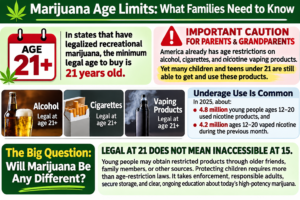
Protecting children requires more than passing age-restriction laws. It requires effective enforcement, responsible adults, secure storage, public education, and ongoing monitoring of youth access and health outcomes.
Our children’s developing brains deserve protection, regardless of whether marijuana is legal for adults.
Important: Cannabis laws differ in permitted products, possession limits, age requirements, retail sales, and home cultivation. Tribal laws may also differ from surrounding state laws.
Legalization does not establish medical safety
The legalization debate involves criminal justice, personal freedom, taxation, regulation, medical access, and public health.
However, marijuana legalization should not be interpreted as scientific proof that frequent cannabis use is harmless.
State policymakers should consider the potential effects of high-potency products on adolescent health, impaired driving, addiction treatment, emergency departments, and public education.
- IS MARIJUANA ADDICTIVE?
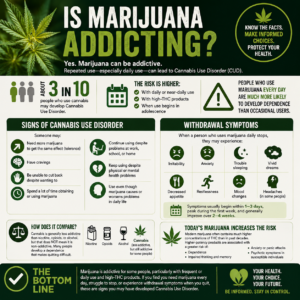
Yes. Marijuana can cause dependence and Cannabis Use Disorder (CUD).
The CDC reports that approximately 3 in 10 people who use cannabis may have some degree of Cannabis Use Disorder, based on population estimates.
The risk is higher among individuals who begin using cannabis during adolescence and those who use it frequently.
Warning signs include:
- Needing increasing amounts to achieve the same effects.
- Experiencing cravings.
- Being unable to reduce or stop use.
- Continuing use despite family, work, or health problems.
- Spending substantial time obtaining or using marijuana.
- Experiencing withdrawal symptoms after stopping.
Marijuana withdrawal is real
Symptoms can include irritability, anxiety, sleep difficulties, vivid dreams, reduced appetite, restlessness, and mood changes.
Withdrawal often begins within 24–72 hours, peaks during the first week, and gradually improves over the following weeks.
- WHAT DOES MARIJUANA DO TO THE BRAIN?
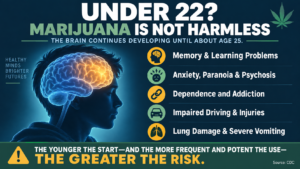
THC affects brain systems involved in memory, attention, coordination, judgment, and decision-making.
During intoxication, marijuana can impair:
- Short-term memory.
- Learning and concentration.
- Reaction time.
- Coordination.
- Decision-making.
- Driving performance.
Frequent or heavy use is associated with cognitive difficulties, although the extent and persistence of impairment after stopping cannabis vary.
Adolescents deserve special attention.
The brain continues developing into young adulthood. Early and frequent cannabis use is associated with increased risks of dependence and problems with learning and attention.
- MARIJUANA AND MENTAL HEALTH
High-potency cannabis deserves particular concern because frequent use is associated with an increased risk of psychotic symptoms and psychotic disorders.
Research has also found associations between cannabis use and anxiety, depression, and suicidal behavior, although these relationships are complex and do not always establish cause and effect.
Cannabis can produce acute anxiety, panic, paranoia, or confusion, particularly at high doses.
People with personal or family histories of psychotic disorders may face greater risks.
The amount of THC, frequency of use, age of first use, and individual vulnerability all matter.
- MARIJUANA AND HEART HEALTH
This is an important area of emerging research.
A 2024 study involving more than 430,000 adults found that daily cannabis use was associated with:
- 25% higher odds of heart attack.
- 42% higher odds of stroke.
These figures describe relative statistical associations, not absolute risk increases or proof that cannabis caused these events.
THC can increase heart rate and alter blood pressure. Cardiovascular effects may be particularly concerning for people with existing heart disease or other cardiovascular risk factors.
Researchers are continuing to investigate the long-term cardiovascular effects of cannabis, including the influence of smoking, vaping, THC potency, and frequency of use.
- MARIJUANA AND LUNG HEALTH
Smoking marijuana exposes the lungs to irritating substances and toxic combustion products.
Regular smoking can contribute to:
- Chronic coughing.
- Increased mucus production.
- Bronchitis symptoms.
- Wheezing.
- Airway irritation.
Marijuana smoke contains some of the same harmful compounds found in tobacco smoke.
However, the evidence connecting marijuana smoking alone to lung cancer remains less conclusive than the extensive evidence linking tobacco smoking to cancer.
Vaping cannabis also carries respiratory risks and should not automatically be considered safe.
- CANNABIS HYPEREMESIS SYNDROME: SEVERE VOMITING FROM MARIJUANA
One increasingly recognized complication of long-term cannabis use is Cannabis Hyperemesis Syndrome (CHS).
People with CHS experience recurring episodes of:
- Severe nausea.
- Repeated vomiting.
- Abdominal pain.
- Dehydration.
Some individuals seek relief through prolonged hot showers or baths.
Severe cases can require emergency medical treatment and intravenous fluids.
The most reliable long-term treatment is stopping cannabis use.
This condition is especially important because marijuana is sometimes used to relieve nausea, yet prolonged frequent use can cause severe vomiting in susceptible individuals.
- DOES MARIJUANA HELP OR HURT SLEEP?
Some people report that marijuana helps them fall asleep.
However, regular use can lead to tolerance and dependence, and evidence for sustained improvements in sleep quality remains limited.
Stopping frequent cannabis use can also produce temporary insomnia, vivid dreams, and sleep disturbances.
Marijuana should not be assumed to be a safe long-term solution for chronic insomnia.
- SPECIAL CONCERNS FOR OLDER ADULTS
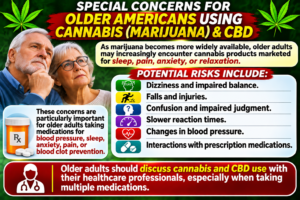 As marijuana becomes more widely available, older adults may increasingly encounter cannabis products marketed for sleep, pain, anxiety, or relaxation.
Potential risks include:
- Dizziness and impaired balance.
- Falls and injuries.
- Confusion and impaired judgment.
- Slower reaction times.
- Changes in blood pressure.
- Interactions with prescription medications.
These concerns are particularly important for older adults taking medications for blood pressure, sleep, anxiety, pain, or blood clot prevention.
Older adults should discuss cannabis and CBD use with their healthcare professionals, especially when taking multiple medications.
- MARIJUANA DURING PREGNANCY AND BREASTFEEDING
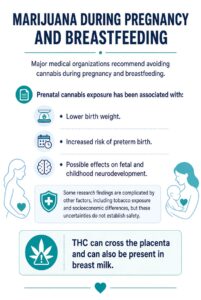
Major medical organizations recommend avoiding cannabis during pregnancy and breastfeeding.
Prenatal cannabis exposure has been associated with:
- Lower birth weight.
- Increased risk of preterm birth.
- Possible effects on fetal and childhood neurodevelopment.
Some research findings are complicated by other factors, including tobacco exposure and socioeconomic differences, but these uncertainties do not establish safety.
THC can cross the placenta and can also be present in breast milk.
- HOW DOES MARIJUANA COMPARE WITH TOBACCO AND ALCOHOL?
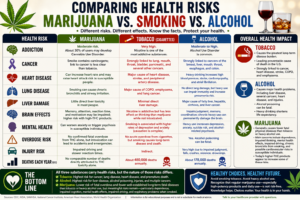
All three substances carry health risks, although their effects differ.
Tobacco: Cigarette smoking is strongly linked to lung cancer, COPD, heart disease, stroke, and numerous other cancers.
Alcohol: Excessive alcohol consumption increases the risks of liver disease, several cancers, cardiovascular problems, injuries, and alcohol poisoning.
Marijuana: Cannabis can cause dependence, impaired driving, cognitive impairment, acute anxiety, and psychotic symptoms in susceptible individuals. Smoking can damage respiratory health, and cardiovascular risks remain an important area of research.
Fatal poisoning from THC alone is not well established, but cannabis intoxication can contribute to serious injuries, accidents, and medical emergencies.
None of these substances should be described as harmless simply because they are legal.
- WHAT ABOUT MEDICAL MARIJUANA?
Cannabis-based medicines have demonstrated benefits for certain medical conditions, but evidence varies considerably depending on the product and condition.
FDA-approved cannabinoid medications include treatments for certain seizure disorders and specific forms of severe nausea or appetite loss.
Some cannabis-based products may provide modest relief for certain types of chronic pain or symptoms associated with multiple sclerosis, although benefits and adverse effects must be weighed carefully.
Importantly, FDA-approved cannabinoid medications are not equivalent to every product sold in a marijuana dispensary.
Many commercial cannabis products have not undergone the same rigorous testing for safety, effectiveness, dosing, and consistency as FDA-approved medications.
States permitting medical marijuana but not recreational marijuana
These 16 states have medical cannabis laws with varying eligibility and product restrictions:
- Alabama
- Arkansas
- Florida
- Hawaii
- Kentucky
- Louisiana
- Mississippi
- Nebraska
- New Hampshire
- North Dakota
- Oklahoma
- Pennsylvania
- South Dakota
- Texas
- Utah
- West Virginia
States with more limited cannabis programs
Georgia, Indiana, Iowa, North Carolina, South Carolina, Tennessee, Wisconsin, and Wyoming have more restrictive laws involving certain CBD or low-THC products. These should not be confused with comprehensive medical marijuana legalization.
Idaho and Kansas do not have general medical or recreational marijuana legalization programs.
- CBD IS DIFFERENT FROM THC
CBD, or cannabidiol, does not produce the characteristic intoxicating high associated with THC.
However, CBD is not automatically harmless.
It can interact with prescription medications and, at some doses, affect liver enzymes.
Consumers should also recognize that product labeling and purity may vary, particularly among products that have not undergone rigorous quality testing.
- WHAT SHOULD AMERICANS KNOW BEFORE USING MARIJUANA?
For adults who choose to use cannabis, practical risk-reduction measures include:
- Avoid high-THC products and concentrates.
- Avoid daily or near-daily use.
- Never drive while impaired.
- Avoid combining cannabis with alcohol or sedating medications.
- Keep cannabis products securely away from children and pets.
- Avoid cannabis during pregnancy and breastfeeding.
- Discuss medication interactions with a healthcare professional.
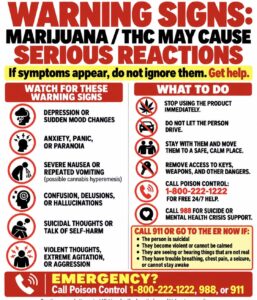
- Seek medical attention for severe vomiting, chest pain, confusion, or other serious symptoms.
Adolescents should avoid cannabis use because of their greater vulnerability to developmental and dependence-related risks.
MARIJUANA AND IMPAIRED DRIVING: HOW CAN POLICE PROTECT AMERICANS
As more states legalize recreational marijuana, one important public-safety question deserves attention: How can police identify drivers who are impaired by marijuana?
Unlike alcohol, marijuana does not have a widely accepted roadside breathalyzer test that reliably measures impairment.
Police currently use several methods:
Saliva tests: Detect recent THC exposure but cannot reliably establish impairment.
Blood tests: Measure THC concentrations, but THC levels do not consistently indicate driving impairment.
Field sobriety tests: Evaluate coordination, balance, attention, and other signs of impairment.
Drug Recognition Experts: Specially trained officers evaluate drivers suspected of drug impairment.
THE BIG PROBLEM: Detecting THC is not the same as proving a driver is impaired.
Marijuana can affect reaction time, judgment, coordination, and driving performance. Driving while impaired by marijuana is illegal in all 50 states, including states where recreational marijuana is legal.
QUESTIONS EVERY STATE LEGISLATURE SHOULD ANSWER
How will police reliably identify marijuana-impaired drivers?
Are law enforcement officers receiving adequate training and testing equipment?
How will states prevent marijuana-related crashes, injuries, and deaths?
How much marijuana tax revenue will support impaired-driving enforcement and prevention?
THE BOTTOM LINE: Legalizing marijuana should never mean compromising highway safety.
Source: National Highway Traffic Safety Administration (NHTSA).
THE BOTTOM LINE: LEGAL DOES NOT MEAN SAFE
Today’s marijuana is not the marijuana many Americans remember from decades ago.
THC potency has increased substantially, high-concentration products are widely available in legal markets, and the potential health consequences of frequent use deserve serious attention.
As more states legalize marijuana, Americans need clear, evidence-based education about addiction, brain health, cardiovascular concerns, pregnancy, impaired driving, and the special risks facing adolescents and older adults.
Legalization is a public-policy decision. Safety is a scientific question.
The two should never be confused.
The healthy habits that protect our bodies and brains remain essential: eating real, nutrient-rich foods, staying physically active, getting adequate sleep, managing stress, maintaining relationships, and avoiding smoking and substance misuse.
Good health is built one daily choice at a time.
“Be Bright, Eat Right—More of the Best and Less of the Rest.”
Medical Disclaimer: This information is for education only and is not medical advice. Always talk with your healthcare provider about what is best for your health.
Note: I used ChatGPT for the graphics and pulling this blog together for this topic, but I also check the information carefully to ensure the health information is correct. In order to get the right answers & the development of these health blogs when using ChatGPT effectively, you must know how to pose the correct questions.
This content was generated with assistance from ChatGPT, an AI language model by OpenAI
Research and reference sources
- Centers for Disease Control and Prevention (CDC): Cannabis and Public Health; Cannabis Use Disorder; Cannabis and Pregnancy.
- National Conference of State Legislatures (NCSL): State Medical Cannabis Laws and Cannabis Legislation Database.
- Pew Research Center: State Marijuana Legalization Status, 2026.
- Drug Enforcement Administration (DEA): National Drug Threat Assessment, 2024.
- American Heart Association: Research on Cannabis Use and Cardiovascular Health, 2024.
- U.S. Food and Drug Administration (FDA): Cannabis, Cannabis-Derived Products, and Quality Considerations.
- National Academies of Sciences, Engineering, and Medicine: Evidence Reviews on the Health Effects of Cannabis.
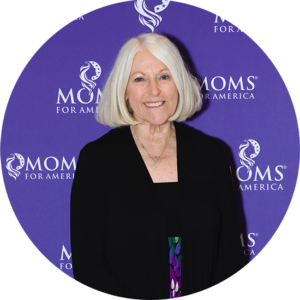
Barbara Day, M.S., R.D. is a registered dietitian with a Master’s Degree in clinical nutrition. She is the Chief Blog Organizer for www.DayByDayLiving.net
Barbara worked as a research nutritionist with the military’s tri-service medical school collaborating with Department of Defense, National Health Institutes (NIH), and also United States Department of Agriculture (USDA). Barbara worked as a performance nutrition consultant to Navy SEALS’ BUD/S Training Program and West Coast Navy SEAL Teams. Barbara is the former nutrition performance consultant to the University of Louisville Athletic Department.
She is the author of Fast Facts on Fast Food for Fast People and High Energy Eating Sports Nutrition Workbook for Active People used by the University of Louisville, University of Tennessee Lady Vols and the Tennessee football program, the LSU basketball program, the Buffalo Bills, the Cleveland Browns and by the United States Navy SEALs.
Barbara is the former publisher of Kentuckiana HealthFitness Magazine, Kentuckiana Healthy Woman magazine and radio show host of Health News You Can Use and a TV segment on the Local ABC station called Barbara’s Right Bite.
Barbara has over 50 years of experience in promoting healthy lifestyles to consumers. Barbara is a former runner who walks, a spinner, hiker, a pickleball player, a mother and grandmother to 13 grandchildren.
Barbara also serves on the Leadership Team for Moms for America as the Grammy Grizzlies National Group Leader. (www.momsforamerica.us).
Barbara is a volunteer for MAHA Action. (https://www.mahaaction.org/)