
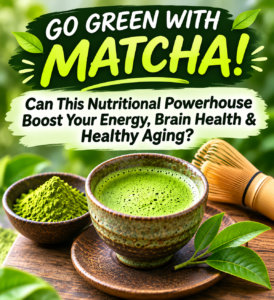
Looking for a natural way to boost your energy, improve mental focus and increase your intake of beneficial antioxidants? You may want to give MATCHA a try!
But what makes matcha different from ordinary green tea or coffee? And does it live up to all the health claims?
WHAT IS MATCHA?
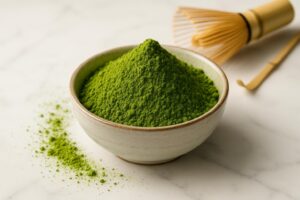
Matcha is a finely ground powder made from specially grown green tea leaves from the Camellia sinensis plant.
The tea plants are shaded for several weeks before harvesting, increasing their chlorophyll and L-theanine content.
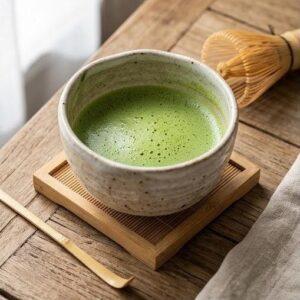
Unlike traditional green tea, where the leaves are steeped and discarded, drinking matcha allows you to consume the entire powdered tea leaf.
FIVE BENEFICIAL COMPOUNDS FOUND IN MATCHA
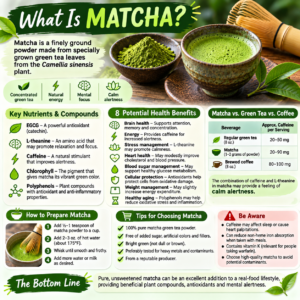
- EGCG (epigallocatechin gallate): An antioxidant that helps protect cells from oxidative damage.
- L-theanine: An amino acid that may promote relaxation and mental focus.
- Caffeine: A natural stimulant that increases energy and alertness.
- Chlorophyll: The natural pigment responsible for matcha’s vibrant green color.
- Polyphenols: Beneficial plant compounds with antioxidant and potential anti-inflammatory properties.
8 POTENTIAL HEALTH BENEFITS OF MATCHA
- Supports Brain Health. May improve attention, concentration and certain aspects of cognitive performance.
- Boosts Energy. Naturally occurring caffeine helps increase mental alertness.
- Promotes Calm Alertness. The combination of caffeine and L-theanine may promote mental focus while encouraging relaxation.
- Supports Heart Health. Green tea compounds may modestly improve cholesterol levels and blood pressure.
- Supports Blood Sugar Management. Green tea polyphenols may have modest beneficial effects on glucose metabolism.
- Provides Cellular Protection. Antioxidants help protect cells from oxidative stress.
- May Support Weight Management. Caffeine and catechins may slightly increase energy expenditure, but matcha is not a weight-loss miracle.
- Supports Healthy Aging. Beneficial plant compounds may help reduce oxidative stress and inflammation associated with aging.
Much of the research supporting these potential benefits comes from green tea studies. Additional human clinical trials specifically examining matcha are needed.
HOW MUCH CAFFEINE DOES MATCHA CONTAIN?
- Regular green tea (8 ounces): 20–50 mg
- Matcha (1–2 grams of powder): 20–90 mg
- Brewed coffee (8 ounces): 80–100 mg
Actual caffeine content varies depending on the product and preparation method.
Matcha vs. Green Tea vs. Coffee: Which is More Nutritious?
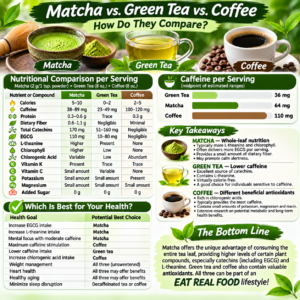
All three beverages contain beneficial antioxidants and naturally occurring caffeine. However, each offers unique nutritional advantages.
The biggest difference is that when you drink matcha, you consume the entire powdered tea leaf rather than simply drinking the compounds extracted during brewing.
Nutritional Comparison Per Serving
| Nutrient or compound | Matcha (2 g) | Green Tea (8 oz.) | Coffee (8 oz.) |
|---|---|---|---|
| Calories | 5–10 | 0–2 | 2–5 |
| Caffeine | 38–89 mg | 23–49 mg | 100–120 mg |
| Protein | 0.3–0.6 g | Trace | 0.3 g |
| Dietary fiber | Small amount | Negligible | Minimal |
| Catechins | High | Present | Negligible |
| EGCG | Often higher | Present | Negligible |
| L-theanine | Typically higher | Present | None |
| Chlorophyll | Higher | Low | None |
| Chlorogenic acid | Variable | Low | Abundant |
| Vitamin K | Present | Trace | Trace |
| Potassium | Small amount | Small amount | Present |
| Magnesium | Small amount | Small amount | Small amount |
| Added sugar | 0 g | 0 g | 0 g |
All beverages are unsweetened. Nutrient and antioxidant concentrations vary depending on growing conditions, processing and preparation.
Matcha: The Whole-Leaf Advantage
Often provides higher concentrations of EGCG and L-theanine.
Contains more chlorophyll.
Provides a small amount of dietary fiber.
Combines caffeine and L-theanine, which may promote calm alertness.
Contains beneficial plant compounds with potential antioxidant and anti-inflammatory properties.
Green Tea: The Lower-Caffeine Alternative
Provides beneficial catechins, including EGCG.
Contains naturally occurring L-theanine.
Virtually calorie-free.
Generally contains less caffeine than matcha or coffee.
May support cardiovascular and metabolic health.
Coffee: A Different Antioxidant Power House
Rich in chlorogenic acids.
Typically provides the most caffeine per serving.
Contains small amounts of potassium, magnesium and niacin.
Extensive research has associated moderate coffee consumption with potential cardiovascular, metabolic and neurological health benefits.
Which Beverage Should You Choose?
For calm alertness and mental focus: Matcha.
For lower caffeine intake: Green tea.
For greater caffeine stimulation: Coffee.
For increasing EGCG intake: Matcha or green tea.
For increasing chlorogenic acid intake: Coffee.
For heart health and healthy aging: All three may offer benefits.
For minimizing sleep disruption: Decaffeinated tea or coffee
The Nutritional Bottom Line
While matcha offers the unique advantage of whole-leaf nutrition, its greatest nutritional value comes from its biologically active plant compounds rather than significant amounts of vitamins, minerals, protein or fiber.
There is not enough direct comparative research to declare one of these beverages superior for overall health.
All three can be part of an EAT REAL FOOD lifestyle, especially when consumed without added sugars, artificial flavorings and sweetened creamers.
Scientific resources:
Molecules (2021). Health Benefits and Chemical Composition of Matcha Green Tea: A Review. doi:10.3390/molecules26010085.
Harvard Health Publishing: Matcha — A Look at Possible Health Benefits.
National Center for Complementary and Integrative Health: Green Tea.
HOW TO PREPARE MATCHA AT HOME
- Add ½–1 teaspoon of pure matcha powder to a cup.
- Add 2–3 ounces of hot, but not boiling, water (approximately 175°F).
- Whisk until smooth and frothy.
- Add additional water or milk as desired.
6 WAYS TO ADD MATCHA TO YOUR DIET
- Traditional hot matcha tea
- Unsweetened iced matcha
- Homemade matcha latte
- Plain Greek yogurt with berries and matcha
- Homemade fruit smoothies
- Overnight oats with matcha
WHAT SHOULD YOU LOOK FOR WHEN BUYING MATCHA?
✅ 100% pure matcha green tea powder.
✅ No added sugars, artificial colors or fillers.
✅ A vibrant green color.
✅ A reputable manufacturer.
✅ Independent testing for heavy metals, pesticides and other contaminants.
ARE THERE ANY HEALTH CONCERNS?
- Caffeine may interfere with sleep or cause heart palpitations.
- Tea polyphenols may reduce iron absorption from plant-based foods. People with iron deficiency may benefit from drinking matcha between meals.
- Matcha contains vitamin K, which is important for individuals taking warfarin.
- Because you consume the entire tea leaf, purchasing matcha tested for contaminants is particularly important.
- Concentrated green tea extract supplements have been associated with liver injury and should not be confused with traditional matcha beverages.
BEWARE OF COMMERCIAL MATCHA LATTES!
Just because a beverage contains matcha doesn’t automatically make it healthy!
Commercial matcha drinks may contain large amounts of added sugar, flavored syrups and sweetened creamers.
Preparing your own matcha at home allows YOU to control the ingredients!
THE BOTTOM LINE: EAT REAL FOOD & DRINK SMART!
Pure, unsweetened matcha can be a nutritious addition to an EAT REAL FOOD lifestyle. One or two servings daily may provide beneficial antioxidants and mental alertness, depending on your caffeine tolerance.
Remember, no single food or beverage is a magic bullet for good health. A nutritious diet, regular physical activity, adequate sleep and stress management are all important components of healthy aging.
EAT REAL FOOD. MOVE MORE. SLEEP WELL. AGE STRONG!
Medical Disclaimer: This information is for education only and is not medical advice. Always talk with your healthcare provider about what is best for your health.
Note: I used ChatGPT for the graphics and pulling this blog together for this topic, but I also check the information carefully to ensure the health information is correct. In order to get the right answers & the development of these health blogs when using ChatGPT effectively, you must know how to pose the correct questions.
This content was generated with assistance from ChatGPT, an AI language model by OpenAI
Additional resources:
- National Center for Complementary and Integrative Health: Green Tea
- FDA: Spilling the Beans — How Much Caffeine Is Too Much?
- Molecules (2021): Health Benefits and Chemical Composition of Matcha Green Tea: A Review. doi:10.3390/molecules26010085